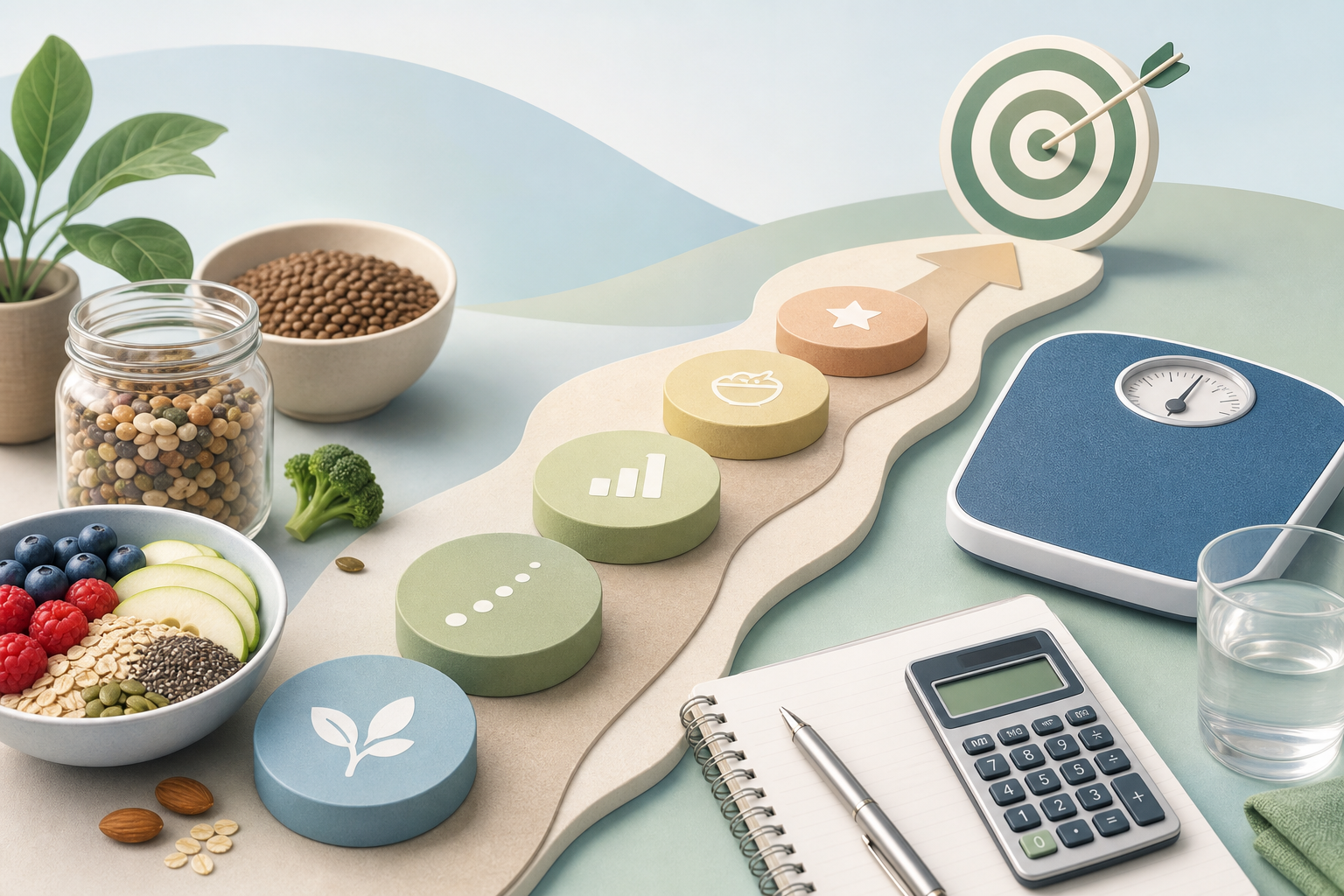
Understanding why it can help to increase fibre gradually is mainly about digestive comfort and finding an intake that works for you. A sudden rise in fibre can lead to bloating, gas, abdominal fullness or changes in bowel habits, especially if your usual intake has been low. Adding fibre in stages gives you time to observe your response, adjust food choices and support the change with adequate fluids.
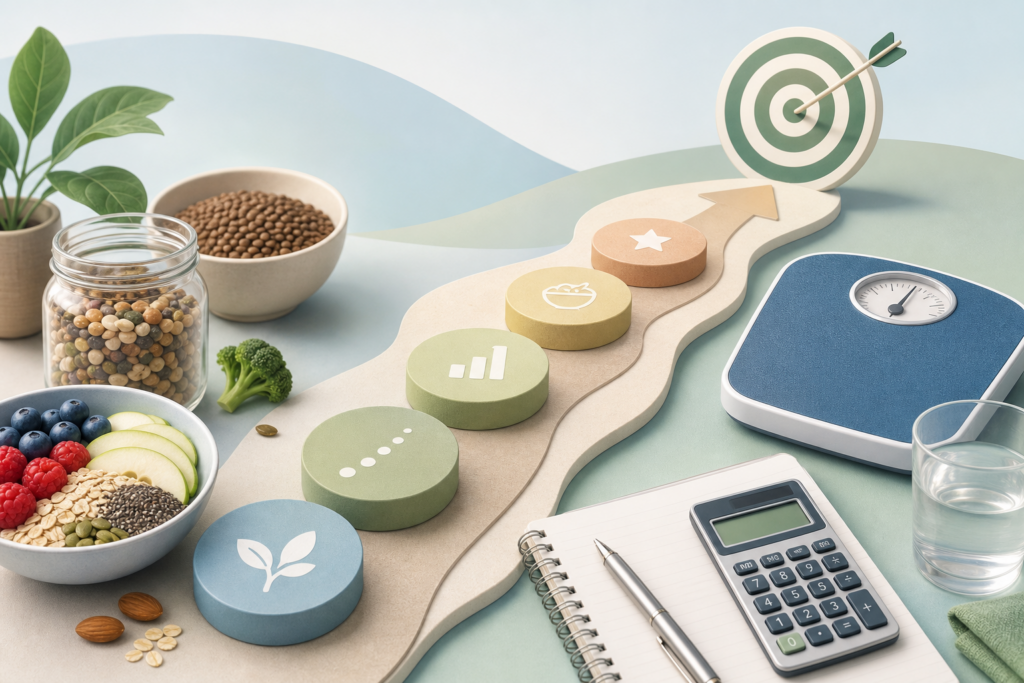
Why it can help to increase fibre gradually
Dietary fibre is the part of plant foods that is not fully broken down in the small intestine. Different types of fibre behave differently: some absorb water, some add bulk to stools, and some are fermented by bacteria in the large intestine.
If several high-fibre foods are introduced at once, these effects may become noticeable quickly. More fermentation can contribute to gas, while changes in stool bulk and water content can alter bowel frequency or consistency. These responses do not affect everyone in the same way, but a gradual increase can make them easier to assess.
A step-by-step approach also helps identify which foods suit you. For example, a person may tolerate oats and cooked vegetables comfortably but find that a large serving of beans causes more bloating. Changing one or two parts of a meal at a time provides clearer information than changing the whole diet at once.
How to raise daily fibre intake in practical stages
There is no single schedule that fits everyone. Your starting intake, usual diet, appetite, food preferences and digestive tolerance all matter. Rather than trying to reach a calculated target immediately, consider building towards it through manageable food changes.
-
Estimate your current pattern by reviewing the foods you eat on a typical day. Look for whole grains, pulses, vegetables, fruit, nuts and seeds.
-
Make one practical change, such as choosing a higher-fibre breakfast cereal, adding a vegetable to lunch or replacing refined bread with a wholegrain option.
-
Keep the change consistent for several days and notice comfort, stool pattern and fullness.
-
Add another fibre-containing food or increase a portion if the first change feels manageable.
-
Adjust the pace if you experience persistent discomfort rather than assuming you must reach the estimate immediately.
Variety is generally more useful than relying on one concentrated source. A mixture of grains, vegetables, fruit, beans, lentils, nuts and seeds provides different types of fibre alongside other nutrients.
Food labels can help when comparing similar packaged products, but serving sizes need attention. A product may appear high in fibre per 100 grams while providing much less in the portion you normally eat.
The role of fluids when increasing fibre
Some types of fibre hold water and contribute to stool bulk. For this reason, fluid intake is an important practical consideration when increasing fibre, particularly when adding bran products, pulses, whole grains or fibre supplements.
There is no universal amount of water that everyone must drink alongside a particular number of fibre grams. Fluid needs vary with body size, climate, physical activity, diet, pregnancy or breastfeeding, and individual health circumstances. Drinks and water-rich foods both contribute to total fluid intake.
A useful approach is to drink regularly across the day rather than trying to consume a large amount at once. Extra attention may be needed during hot weather, exercise or illness that causes fluid loss.
Adding a large amount of fibre without considering fluids may make bowel changes less comfortable for some people. However, drinking excessive water is not a substitute for increasing fibre gradually, and more fluid is not always better.
What the fibre intake calculator can and cannot tell you
The fibre intake calculator provides an energy-based planning estimate. It uses a commonly applied Dietary Reference Intake basis of 14 grams of fibre per 1,000 kilocalories.
The calculation is:
Estimated fibre target = daily calories × 14 ÷ 1,000
For example, an intake of 2,000 kcal per day produces an estimate of 28 grams of fibre per day. This is a calculated planning value, not a measurement of how much fibre your body needs or will tolerate comfortably.
The calculator can help you:
-
translate a calorie estimate into a daily fibre planning target;
-
compare your approximate food intake with an energy-based reference;
-
understand how the target changes when calorie intake changes; and
-
plan gradual food adjustments rather than treating fibre as an all-or-nothing goal.
It cannot assess digestive symptoms, hydration, medical conditions, medication effects or the types of fibre in your diet. It also cannot determine whether a specific target is suitable for someone with a gastrointestinal condition or a clinician-directed diet.
The result should not be confused with measured daily fibre intake. Estimating actual intake requires information about the foods, recipes and portions consumed. Even then, food records and nutrition databases have limitations.
A practical example of increasing fibre
Consider someone whose estimated target is 28 grams of fiber per day but whose usual meals contain relatively few whole grains, vegetables or pulses. Moving straight to large portions of bran cereal, beans, raw vegetables and seeds on the same day could be uncomfortable.
A more gradual pattern might begin by replacing a low-fibre breakfast with porridge and fruit. Once that feels comfortable, the person could add an extra vegetable to an evening meal. A later step might be including a modest portion of lentils or beans several times during the week.
Regular drinks would accompany these changes. If a particular addition caused troublesome bloating, the person could reduce the portion, change the food or wait longer before making another increase.
This example is not a fixed programme. Its purpose is to show how a calculator estimate can be translated into separate, observable changes rather than pursued as an immediate threshold.
Common questions about gradually increasing fibre
How quickly should I increase fibre?
There is no evidence-based timetable that suits every person. A reasonable practical method is to make one change at a time and allow several days to assess comfort before making another. People starting from a low intake may prefer a slower approach.
Does all fibre affect digestion in the same way?
No. Fibre includes several substances with different properties. Some are more readily fermented, while others mainly contribute bulk or hold water. The food containing the fibre, its portion size and the rest of the meal can also influence how it feels.
Is bloating normal when fibre intake rises?
Some people notice temporary gas, fullness or bloating after adding more fibre, particularly fermentable foods such as beans and lentils. Symptoms vary, and significant or persistent discomfort should not simply be assumed to be a necessary part of eating more fibre.
Are fibre supplements equivalent to high-fibre foods?
Supplements can provide specific forms of fibre, but they do not reproduce the full nutrient profile or variety of whole plant foods. They may also produce noticeable digestive effects if introduced in a large amount. Their suitability depends on the product and the individual context.
What if my calorie intake changes from day to day?
The calculator result is best viewed as a planning estimate rather than a precise daily requirement. You can use a representative calorie intake, such as an average from several typical days, if day-to-day values vary. There is usually no need to recalculate fibre for every small calorie difference.
Can I use food labels to track fibre?
Food labels can support an approximate total when portion sizes are recorded accurately. Remember that unpackaged foods may require a reliable nutrition database and that recipes containing several ingredients can be harder to estimate. The final number remains an estimate rather than a direct measurement.
Putting the estimate into context
The main reason why it can help to increase fibre gradually is that tolerance depends on more than a target number. Fibre type, portion size, usual eating pattern, fluid intake and individual digestive response all influence the experience.
A fibre intake calculator can provide a useful reference based on calorie intake, but it cannot set the right pace for you. Gradual food changes, adequate fluids and attention to your own response offer a more practical way to work towards an estimated target.